Berty is in South West France, where the summers can be hot and dry (typically high 20s and low 30s) and the winters cold and damp (lowest temperature I've experienced here is -15c). We rarely get snow. But even in winter, the daytimes are often wonderfully sunny and warm, so even in January you can eat lunch on the terrace and garden in a T-shirt. In general, lots of the same plants as in England, though we are at the southern extremity of conditions for northern european species. It's not a Mediterranean climate, so doesn't suit olives or oranges.
Living in an area of limestone hills, our soil is basically chalky with some sand and clay, but we are in a river valley and benefit from a good layer of silty topsoil. The 3 acre garden was a field until about 18 years ago.
Click on any image to see a larger version
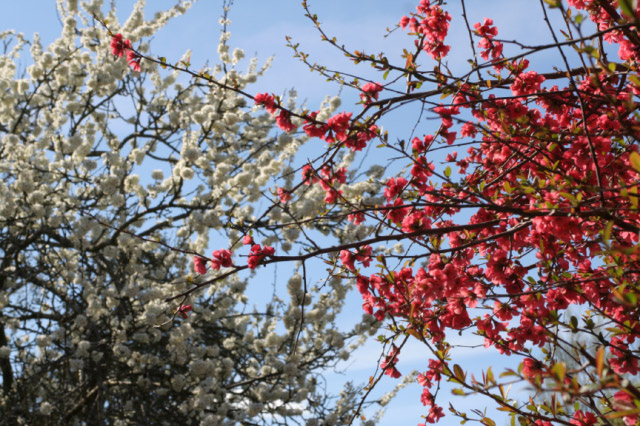
March - April. Chanomeles Japonica with wild plum
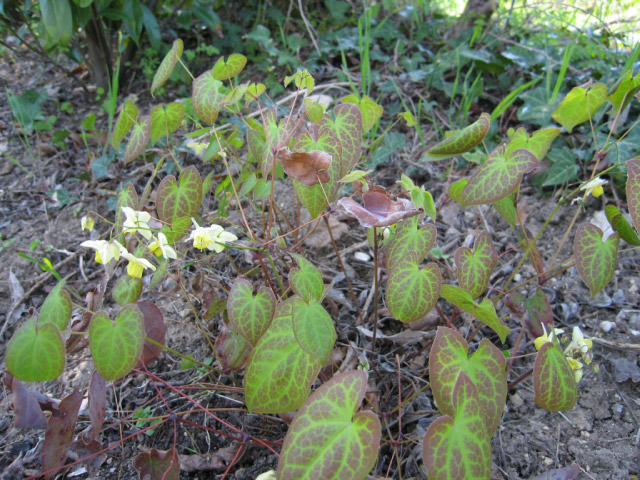
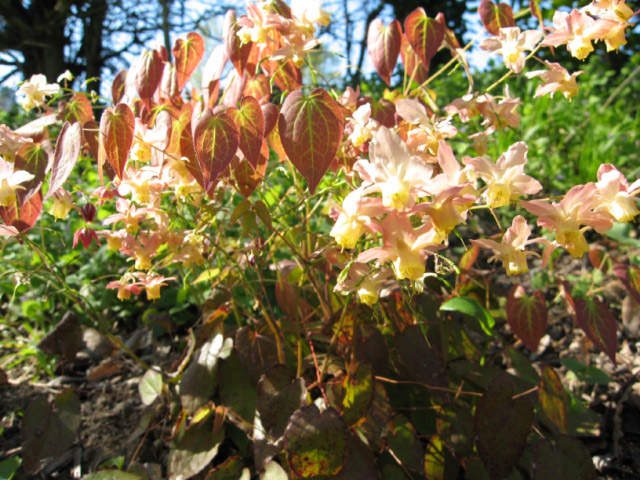
March - April. Epimedium versicolor Sulphureum (left), Epimedium versicolor versicolor(right). Slow clump forming perennial, which makes good ground cover under trees. These plants from Beth Chatto's.
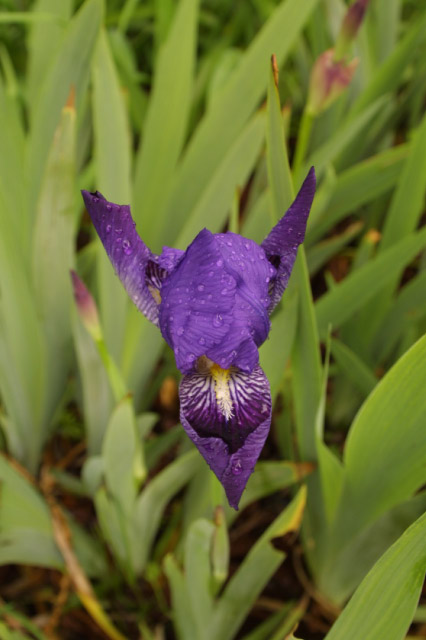
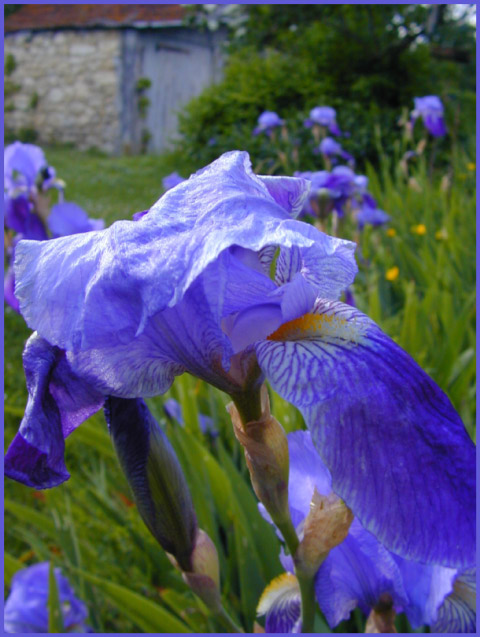
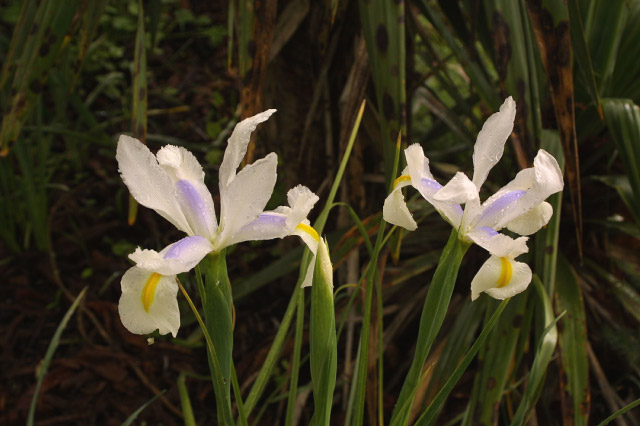

April - May. A selection of irises which do particularly well here. I don't know which varieties they are
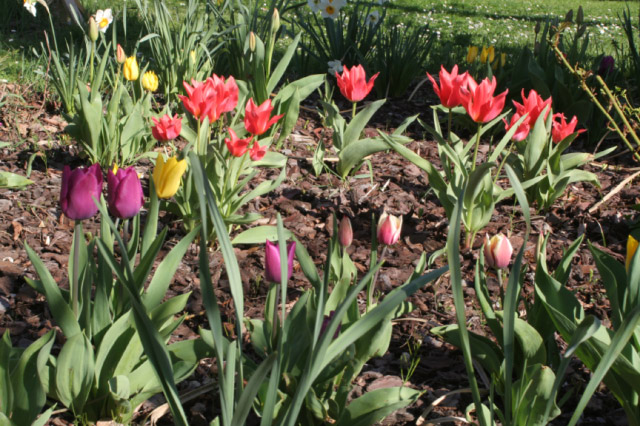
April. Tulips
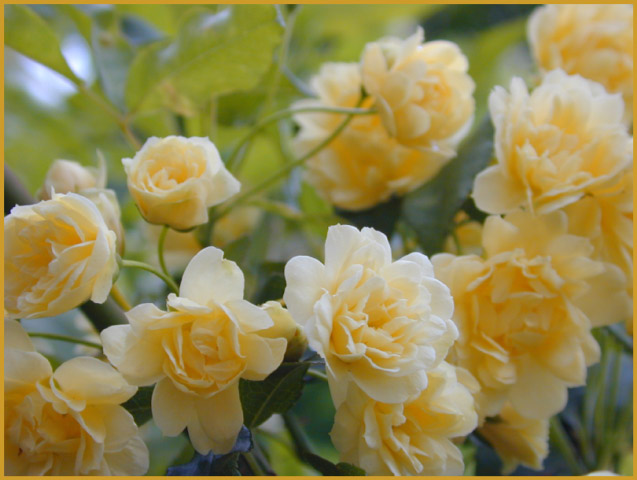
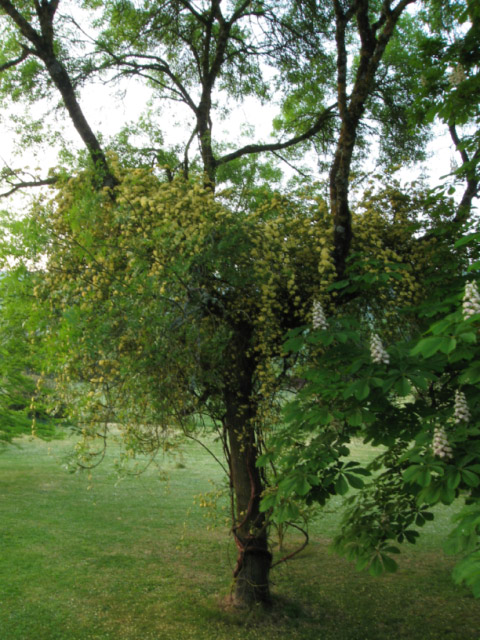
April - May. Banksia rose. Lovely clusters of pale yellow flowers. This thornless climber can be very vigorous - see it here in the Ash tree! Horse chestnut in the foreground.
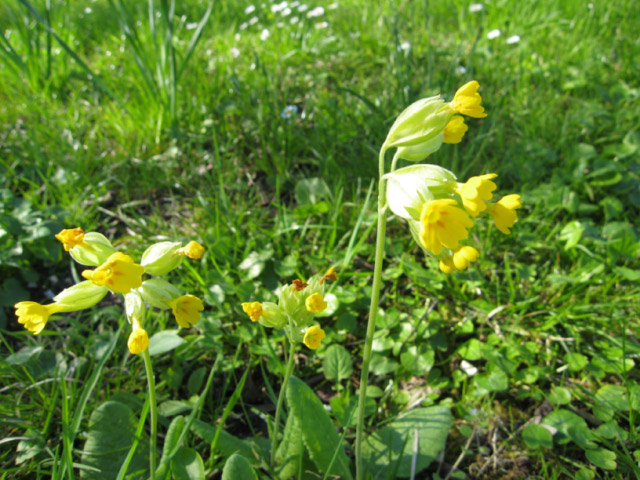
April - May. Cowslip. Naturalised in grass, which is left long until they have died down.
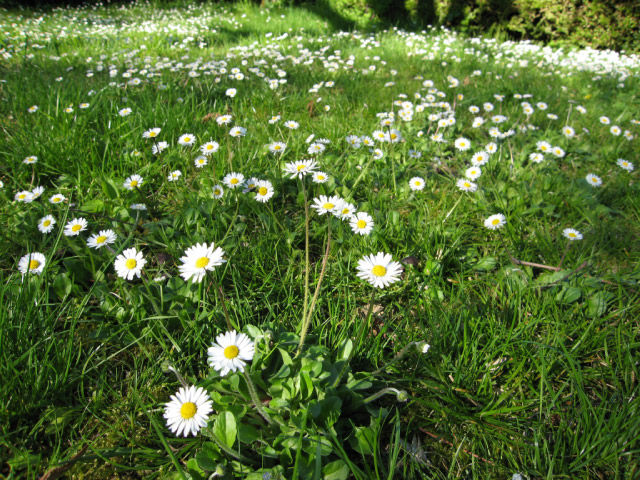
April - May. Daisies. I do love the look of a daisy lawn, but they disappear once the mower gets to its lowest cut.
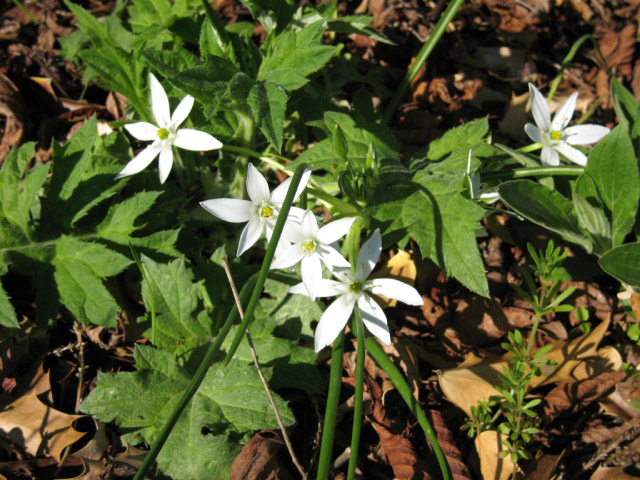
April - May. Ornithogalum Star of Bethlehem. This has popped up next to the foliage of an echinops.
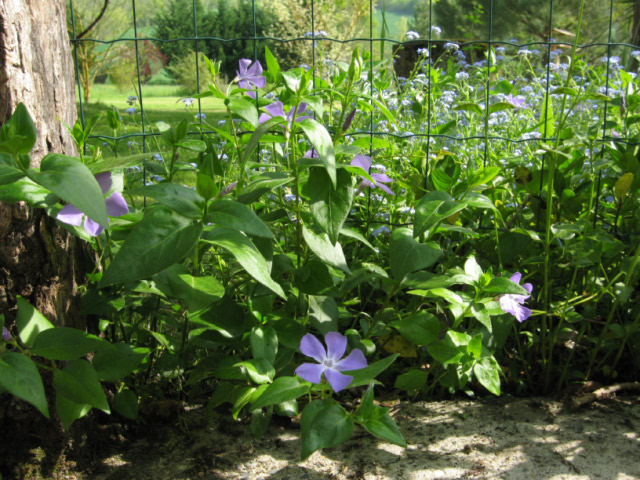
April - May is the main flush of flowers for this Vinca Major (Periwinkle). Hardy Perennial. but it can flower at almost any time of year,. Lots of self-sown forget-me-knots on the other side of the fence.

April - May. Azalea. What a fabulous blaze of colour!
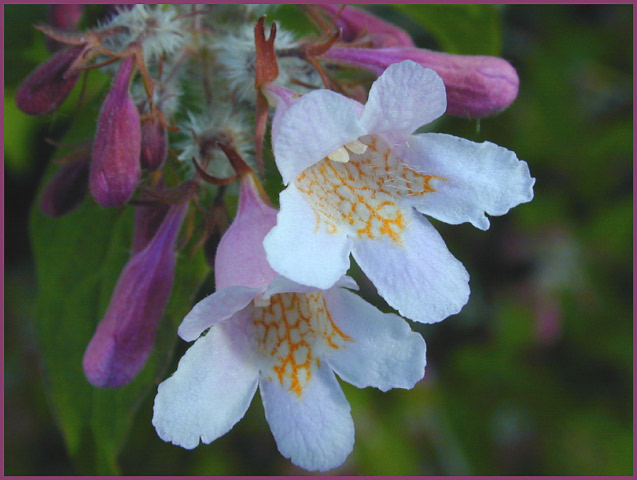
May. Deutzia.... hardy shrub. . I'll try and get a picture of the whole shrub when in flower this year
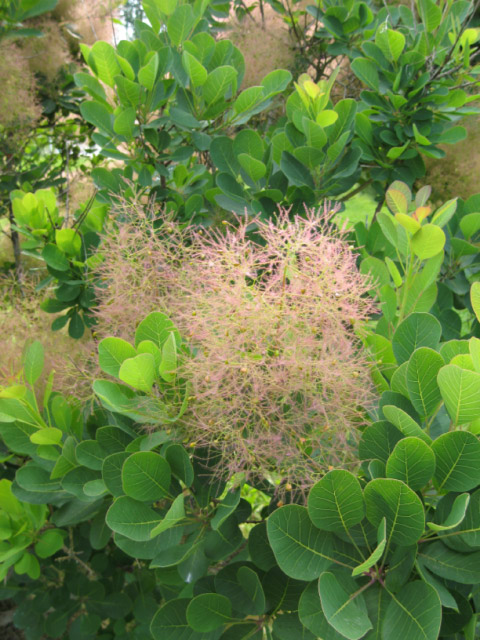
June - Cotinus, Smoke bush. Hardy shrub. These extraordinary fluffy flower heads stay on until the autumn winds blow them away.

June. Rose Zephirine Drouhin. An old-fashioned thornless, very fragrant climber, great for training against a wall. I had chosen one of these to grow outside the kitchen when we lived in London, so I was very pleased to find one already established here, near the living room window. This is a north-facing wall, and I suspect that, although this species is said to tolerate light shade, it does not do as well as if it was in full sun.
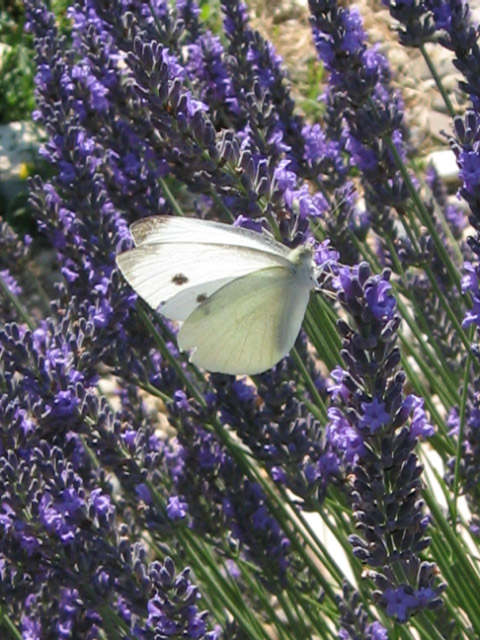
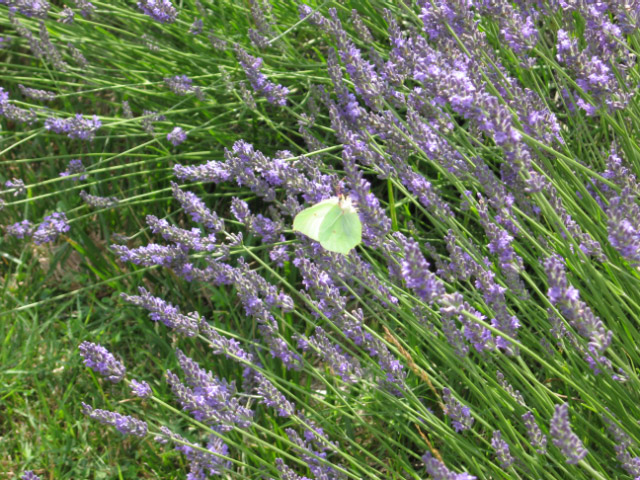
June - July. Lavender lavandula. Hardy Shrub. Thrives in this region, tolerating hot dry summers. Wonderfully attractive to butterflies, hummingbird moths and bees. Makes a great low hedge or border. Use the flower heads in cooking (creme catalan au lavande, herbes de provence) and dried to fragrance drawers and deter moths. Trim back after flowering or before new growth starts. Don't cut into old wood.
This last section is from my visit to Lyme Regis, Dorset (S.W. England) in May 2007
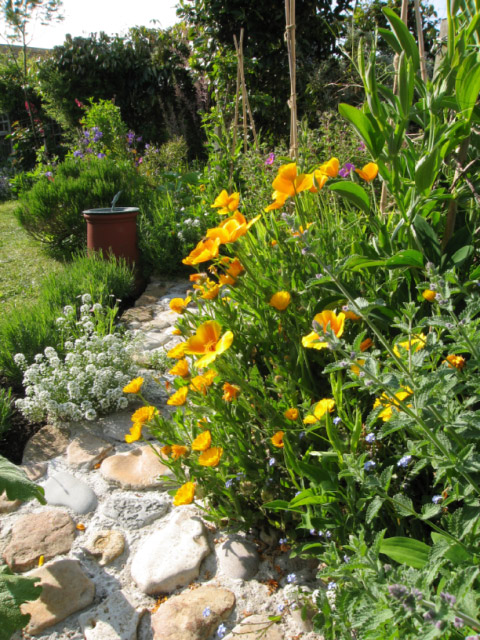
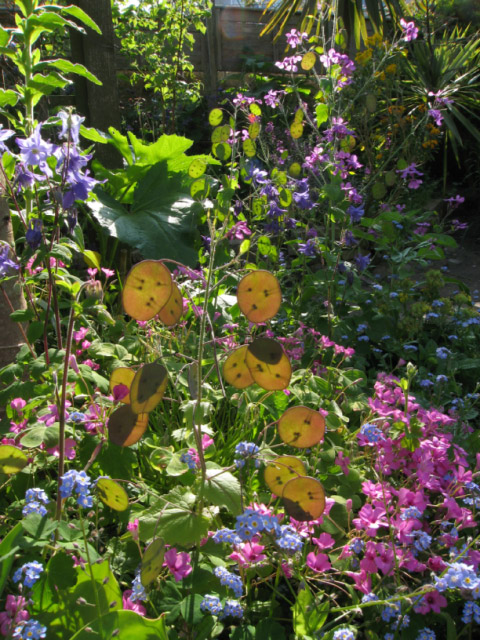

These three and the one below were taken in my sister's garden. To the left, Escholzia (California Poppy) , Calendula Officianalis (Pot Marigold), Alyssum in the paving . In the middle Lunaria (Honesty), Myosotis (Forget-me-knot), a delightful blue Aquilegia (Columbine) and - what are the little pink ones? To the right, a lovely pink Cistus (Rock Rose) and growing in the wall is Erigeron (Fleabane), which seems to grow wherever it can find a crevice, both in Lyme and here in France
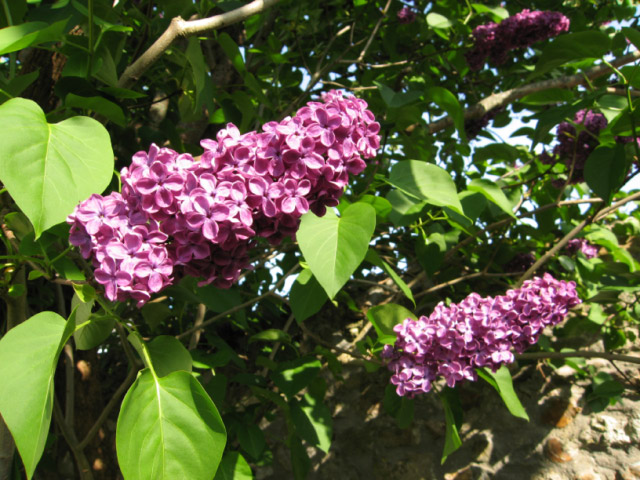
Syringa Vulgaris - Lilac. Deciduous shrub. Can't give your the name of this species, but it is a particularly attractive magenta flower. Also available in lilac, white or purple varieties. All lilacs appreciate alkaline or neutral soil and prefer full sun. Glorious when flowering with a rich scent. A little dull the rest of the time, but useful as a screening hedge or in a mixed shrub border. Should be pruned immediately after flowering. Good cut flower.
And here's one from our walk :-
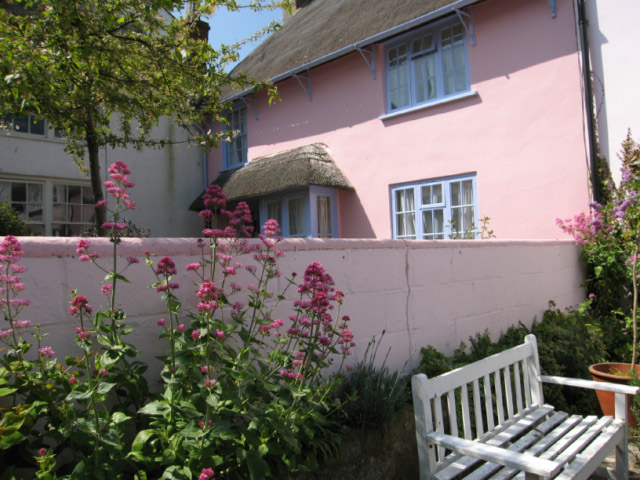
Centranthus ruber Red Valerian. Perennial. Often found by roadsides and in urban wasteland (according to Wikipedia). Tolerates alkaline or poor soils and will grow in rocky ground or in walls (or even in bone-dry dust beneath a cypress tree). Attracts butterflies. Looks lovely against that pink wall, don't you think?
After flowering, cut the stems down or there will be plantlets everywhere.
Please also see my page of Grasses growing at Berty.